
How do men handle conflict
How Do Men — Practical understanding of how men navigate life.
See if this sounds familiar…
An argument starts over a minor daily detail, and within seconds his jaw tightens, his eyes disengage, and his voice drops into a flat, distant tone. Rather than engaging, he walks into another room, closes the door, or stares straight ahead in total silence while you try to reach him. You search [how do men handle conflict](/handle-conflict) or query [how do guys handle conflict](/handle-conflict) because watching him shut down during disagreements leaves you feeling isolated, frustrated, and deeply uncertain about how to resolve issues together. Alternatively, if you are a man reading this, you likely recognize that overwhelmed sensation where shutting down feels like the only way to avoid saying something you will regret.
When tension escalates, pressing for immediate answers can flood his nervous system, triggering a physiological fight-or-flight response. Feeling trapped or criticized, he retreats behind a wall of silence to avoid losing control or saying something destructive. However, this withdrawal can feel like stonewalling or indifference to his partner. As unresolved arguments pile up, small misunderstandings morph into chronic resentment, creating an ever-widening emotional distance where neither person feels heard, understood, or safe in the relationship.
Gaining clarity on [how do men handle conflict](/handle-conflict) requires understanding that male retreat during intense arguments is often an attempt to regulate an overwhelmed internal state. Real resolution happens when both partners replace emotional ambushes with structured, safe communication. When a man learns that conflict does not have to be a threat to his connection or competence, he can stay present, express his thoughts clearly, and work collaboratively toward solutions without shutting down or becoming defensive.
Below, you will find real-world perspectives from men and partners who have transformed relationship disputes into opportunities for deeper trust. These insights illuminate what happens beneath the surface during male withdrawal and offer concrete tools for de-escalating arguments. Explore these contributions to learn how men navigate conflict constructively and build lasting emotional security.
Would you like some perspectives on this?
Be Part of the Answer
We haven't received any perspectives on this question yet.
You can help by sharing your own perspective, describing what you're going through, or subscribing to be notified when professionals respond.
We respect your privacy. We don't spam, sell, or share your email. You'll only receive notifications about this question, and you can unsubscribe at any time.
Recommended Reading
Books to deepen your understanding of this topic

Nonviolent Communication
This foundational framework teaches compassionate communication based on identifying core needs, observing without evaluating, and making clear requests. It is particularly relevant for understanding men who have been socialized to suppress emotions, giving them a non-judgmental vocabulary to express vulnerability without hostility.
Communication & Conflict
Crucial Conversations
This guide offers practical techniques for navigating high-stakes, emotionally charged conversations with clarity, safety, and mutual respect. It illuminates how men can move past defensive fight-or-flight responses during difficult discussions, enabling constructive problem-solving and stronger relational trust.
Communication & Conflict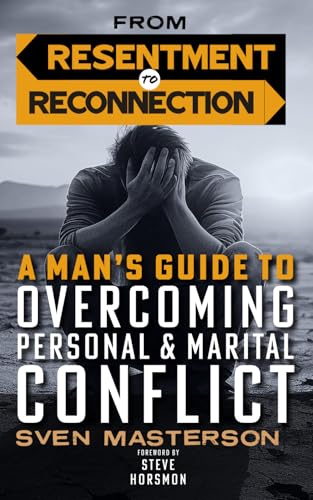
From Resentment to Reconnection
This guide offers men a practical path out of emotional isolation and marital discontent by tackling the root causes of male resentment. It reveals how men can transform internal frustration into healthy communication, personal accountability, and restored intimacy.
Communication & ConflictThis page is brought to you by the Why Platform — perspectives without algorithms.
Sponsor this content